


What is the Difference Between Accruals and Deferrals?
Дата публикации: 18.10.2021

Until the business consumes the products or services that it has already paid for, it cannot recognize is as an expense. These expenses are initially recognized as an asset of the business. In accrual accounting, you document accruals through journal entries at the end of each accounting period. Accrued expenses appear on the liabilities side of the balance sheet rather than under revenue or assets. This helps you clearly view all current assets and liabilities, avoiding inflated profits or understated debt. Using these methods consistently helps someone looking at a balance sheet understand the financial health of an organization during the accounting period.
Accruals and Deferrals: Aligning Revenue and Expenses
Health Savings Accounts Participating in the Health Savings Account (HSA) will allow you to save pre-tax dollars for qualified medical expenses. Additionally, Company contributions are made on your behalf to your HSA account each pay period. Life InsuranceAfter completion of six months of service, at no cost to you, the Firm provide life insurance equal to three times your annual salary (with maximum coverage of $400,000). We seek to enhance our employees work-life balance and overall job satisfaction and we understand that our employees are our first priority. Each employee may have different needs and circumstances, such as childcare responsibilities, accrual vs deferral personal obligations, or health conditions.

A Comprehensive Guide to Cash Flow Forecasting for Today’s Finance Leaders
- Expenses are recognized throughout the year as the payment is made to the vendor.
- This publication does not discuss special methods of accounting for certain items of income or expenses.
- It’s an asset because if company does not receive the benefit of what it has paid for, it would receive cash back (for example an insurance policy refund).
- Using the accrual method, you would account for the expense needed in pursuit of revenue.
- Here are some common questions and answers concerning accruals and deferrals.
These differences are not merely technicalities; they shape the entire narrative that financial statements tell stakeholders about a business’s operations and results. Here are some frequently asked questions and answers about accruals and deferrals. Cash-based systems lack Bookkeeping 101 visibility into outstanding receivables and payables. Strategic planning improves when financial data reflects economic substance rather than cash timing.
How to record deferred expenses
Deferrals are a type of adjusting entry and are important in order to adhere to the matching principle of accounting. These journal entries ensure that revenue and expenses are reflected on financial statements in the same accounting period as the delivery of goods and services. This helps businesses adhere to the accrual basis of accounting under which transactions should be recorded when revenue and expenses are earned and incurred rather than when cash is exchanged for goods. According to the accounting standards, public companies need to follow the accrual method of accounting. The method dictates that businesses should record transactions when goods and services are delivered rather than when cash is exchanged.
Due to the simple nature of accounting, small businesses often use cash basis to prepare their books of accounts. Deferral journal entries are used to recognize prepaid expenses and unearned revenues. In cash accounting, income is recognized when it’s received and expenses when they’re paid.
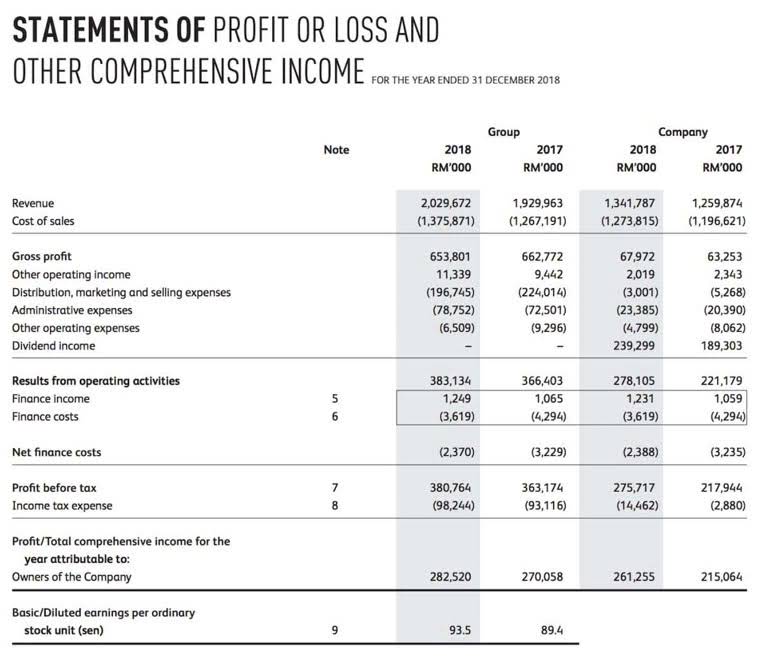
Accruals and deferrals are two key concepts in accrual accounting that deal with the timing of revenue and expense recognition. They both represent transactions that have been recorded but the cash has not yet been received or paid. One advantage of accrual accounting is its ability to provide a clearer picture of a company’s financial health. By recognizing transactions when they occur, businesses can track their revenues and expenses more accurately, which is essential for effective financial planning and decision-making.
Cash is Paid
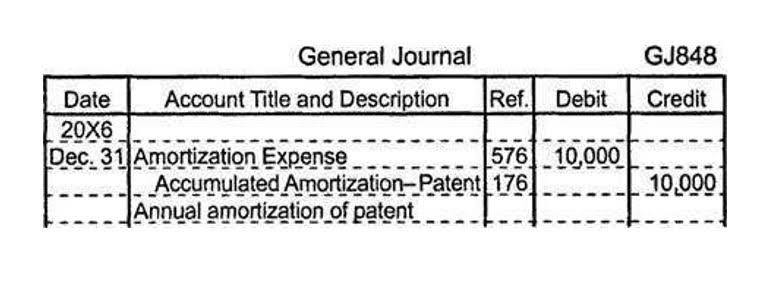
In order to adhere to the accrual accounting principles, adjusting entries such as deferrals are pivotal. An understanding of how deferral expenses and revenues work is essential for organizations to comply with accounting standards and ensure accurate financial reporting. In conclusion, mastering the concepts of accrual and deferral accounting is indispensable for maintaining accurate financial records and making informed business decisions.
- Markdowns not based on an actual reduction of retail sales price, such as those based on depreciation and obsolescence, are not allowed.
- For instance, a company might recognize revenue for services rendered in December, even if payment isn’t received until January.
- Accrual basis accounting is generally considered the standard way to do accounting.
- These journal entries ensure that revenue and expenses are reflected on financial statements in the same accounting period as the delivery of goods and services.
- Similarly, the rent expense in the income statement will be equal to $4,000 ($1,000 x 4) for only four months.
- Accruals for revenue involve recognizing revenue before it’s received in cash, based on the principle of when it’s earned.
The company has received a $500,000 payment in advance that should cover 25% of the project’s cost and the accounting department has to make sure this transaction is treated appropriately. The purpose of both accruals and deferrals is to increase the accuracy of financial reports by incorporating elements that affect the performance or financial situation of the business. These adjustments provide more realistic figures that can be analyzed by managers and owners for decision-making purposes. Their https://www.bookstime.com/ main goal is to increase the precision of financial reports by providing a more realistic picture of the organization’s financial situation.

Generally Accepted Accounting Principles (GAAP)
For more information on how to choose a tax preparer, go to Tips for Choosing a Tax Preparer on IRS.gov. You can prepare the tax return yourself, see if you qualify for free tax preparation, or hire a tax professional to prepare your return. The following are examples of types of changes that are not changes in accounting methods and do not require IRS approval. You claim a casualty or theft loss of inventory, including items you hold for sale to customers, through the increase in the cost of goods sold by properly reporting your opening and closing inventories.
